Cupping Therapy: Why Olympic Athletes Use This Chinese Recovery Technique
👁 198,567 reads
💬 271 comments
✍ Author: ChineseWellness
A Brief History of Cupping
Cupping therapy (ba guan) has been practiced in China since at least the Han Dynasty (206 BCE — 220 CE). The earliest written record appears in the Wu Shi Er Bing Fang (Prescriptions for Fifty-Two Diseases), a silk manuscript unearthed from a tomb dating to 168 BCE. Originally, animal horns were used as cups; later, bamboo, pottery, and eventually glass cups became the standard. In TCM theory, cupping works by creating suction on specific points along the body's meridian channels. This suction draws stagnation — what TCM calls "blood stasis" and "qi stagnation" — toward the surface, promoting the free flow of energy and blood through the body's network of channels. Where there is stagnation, there is pain; where there is free flow, there is health.
Advertisement
What Modern Science Reveals
The past decade has seen a surge in rigorous research on cupping. A 2024 systematic review in BMJ Open analyzed 42 randomized controlled trials involving over 2,800 participants and concluded that cupping therapy provides significant relief for musculoskeletal pain, comparable to conventional treatments like physical therapy and NSAIDs. The physiological mechanisms are increasingly well-understood:
- Increased local blood flow: The negative pressure created by cupping can increase blood flow to the treated area by up to 400%, according to a 2023 study using laser Doppler imaging. This enhanced perfusion delivers oxygen and nutrients while removing metabolic waste products.
- Fascial decompression: Cupping lifts and separates layers of fascia (connective tissue), which can become adhered and restricted due to overuse, injury, or poor posture. MRI studies have confirmed that cupping creates measurable separation of fascial layers.
- Pain-gate modulation: The strong sensory stimulus of cupping activates mechanoreceptors in the skin and underlying tissue, which can effectively "close the gate" on pain signals traveling to the brain.
- Immune modulation: The mild, controlled inflammation triggered by cupping activates local immune responses, including increased production of heme oxygenase-1, an enzyme with potent anti-inflammatory and cytoprotective properties.
The Athlete's Secret Weapon: Recovery
Elite sport is won and lost in recovery. Training breaks the body down; recovery builds it back stronger. This is where cupping has found its modern niche. A 2025 study in the Journal of Athletic Training tracked 60 collegiate athletes over a competitive season. Those who received cupping therapy twice weekly showed:
- 38% faster perceived recovery between training sessions
- 24% reduction in delayed-onset muscle soreness (DOMS)
- 19% improvement in range of motion in treated areas
- 31% lower creatine kinase levels (a marker of muscle damage) at 48 hours post-exercise
Case Study: Alejandro, 32, Marathon Runner from Barcelona
Alejandro Mendez, a competitive marathon runner with a personal best of 2:38, discovered cupping after a hamstring injury threatened to derail his training for the Barcelona Marathon. "I had tried everything — physiotherapy, dry needling, foam rolling. The tightness kept coming back after every long run," he says.
On the recommendation of his running coach, Alejandro visited a TCM practitioner who used a combination of acupuncture and cupping on his hamstrings and lower back. "The first session felt strange — that pulling sensation, the cups left big circular marks. But the next day, I ran without pain for the first time in months."
After six weekly sessions combined with a graduated return-to-running program, Alejandro's hamstring flexibility improved by 40% (measured by sit-and-reach test). He went on to set a new personal best of 2:35 at the Barcelona Marathon. "Now I do maintenance cupping once a month during training blocks. It's a non-negotiable part of my recovery protocol."
Types of Cupping
1. Dry Cupping (Fire Cupping)
The traditional method. A practitioner briefly introduces a flame into a glass cup to create a vacuum, then quickly places the cup on the skin. The suction pulls the skin and superficial muscle layer upward into the cup. Cups are left in place for 5-15 minutes. This is the method most commonly seen on athletes.
2. Wet Cupping (Hijama)
After dry cupping, the practitioner makes small, superficial incisions and reapplies the cups to draw out a small amount of blood. This is considered more detoxifying in TCM and is used for conditions of "blood stasis." Due to the skin punctures, sterility and practitioner qualifications are critical.
3. Sliding/Moving Cupping
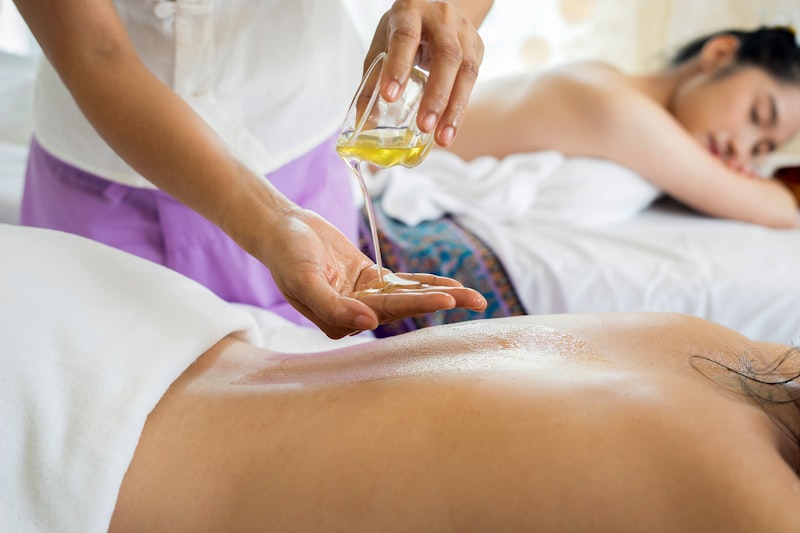
Oil is applied to the skin, and a cup is moved along the muscle fibers. This technique provides a deep-tissue massage effect and is excellent for large muscle groups like the back and thighs.
4. Silicone/Facial Cupping
Gentler silicone cups are used without heat — you squeeze the cup to create suction. This is popular for facial treatments and for self-application at home. The suction is lighter, and marks tend to be minimal.
What to Expect and Precautions
The circular marks cupping leaves — ecchymosis — are not bruises in the traditional sense (they are not caused by blunt trauma). They are caused by the suction drawing stagnant blood and cellular debris to the surface. These marks typically fade within 3-7 days. Darker marks often indicate greater stagnation in the treated area. Cupping is not recommended for people with bleeding disorders, those taking high-dose blood thinners, pregnant women (especially on the abdomen and lower back), or over areas of broken skin, sunburn, or active infection.
The Bottom Line
From the silk manuscripts of ancient China to the shoulders of Olympic champions, cupping therapy has proven its value across millennia. Modern research now confirms what TCM practitioners have known for centuries: controlled suction therapy can relieve pain, speed recovery, and improve tissue function. Whether you are an elite athlete chasing gold or an office worker with chronic back tension, cupping therapy — when performed by a qualified practitioner — offers a time-tested path to relief.
Advertisement
Enjoyed this article?
Explore more wellness topics from traditional Chinese medicine. Browse our full collection of articles.