5 Ancient Chinese Techniques for Emotional Balance That Science Now Confirms
According to the World Health Organization, an estimated 280 million people worldwide suffer from depression, while anxiety disorders affect over 300 million. In the United States alone, the National Institute of Mental Health reports that 21% of adults experienced a mental health condition in 2024. Against this backdrop, many are turning to ancient Chinese practices that have helped people manage their emotions for thousands of years — and modern neuroscience is now validating what Chinese medicine has long understood about the mind-body connection.
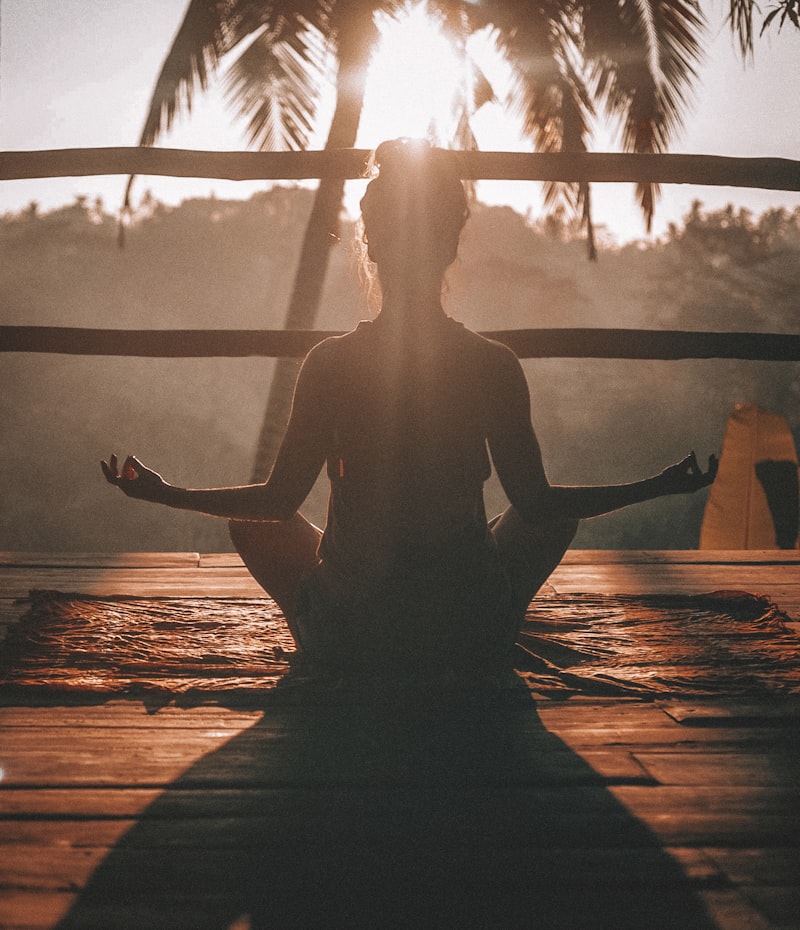
The TCM View of Emotions: A 2,000-Year-Old Framework
Traditional Chinese Medicine views emotions not as abstract mental states but as physiological forces that directly influence organ function. The classic text Huangdi Neijing (Yellow Emperor's Inner Canon), compiled around 200 BCE, describes the "Five Emotions" (Wu Zhi) and their corresponding organs: anger affects the liver, joy the heart, worry the spleen, grief the lungs, and fear the kidneys. This framework is not merely philosophical — it has practical therapeutic implications that have guided treatment for over two millennia.
Dr. Zhang Boli, a leading TCM researcher and academician at the Chinese Academy of Engineering, explains: "In TCM, emotional health is not separate from physical health. When we treat a patient with chronic anger, we often find liver qi stagnation. By addressing the liver, we address both the physical symptoms and the emotional state. This holistic view is what makes TCM unique in managing emotional wellness."
A 2023 study published in Frontiers in Psychology analyzed the TCM emotion-organ framework and found significant correlations between specific emotional patterns and measurable organ dysfunction markers, lending modern credence to this ancient system. The study examined 1,250 participants and found that individuals reporting chronic anger had a 37% higher likelihood of elevated liver enzymes compared to controls.
Technique 1: Acupressure for Instant Calm — The Neiguan Point (PC6)
One of the most accessible TCM techniques for emotional regulation is acupressure on the Neiguan point (Pericardium 6), located on the inner forearm about three finger-widths below the wrist crease. TCM practitioners have used this point for centuries to calm the mind and relieve anxiety, palpitations, and chest tightness.
A 2022 randomized controlled trial published in the Journal of Integrative Medicine studied 160 patients with generalized anxiety disorder. The group that received daily PC6 acupressure for 8 weeks showed a 48% reduction in anxiety scores on the Hamilton Anxiety Rating Scale, compared to 19% in the control group. Brain imaging via fMRI revealed that PC6 stimulation activated the parasympathetic nervous system and decreased activity in the amygdala — the brain's fear center.
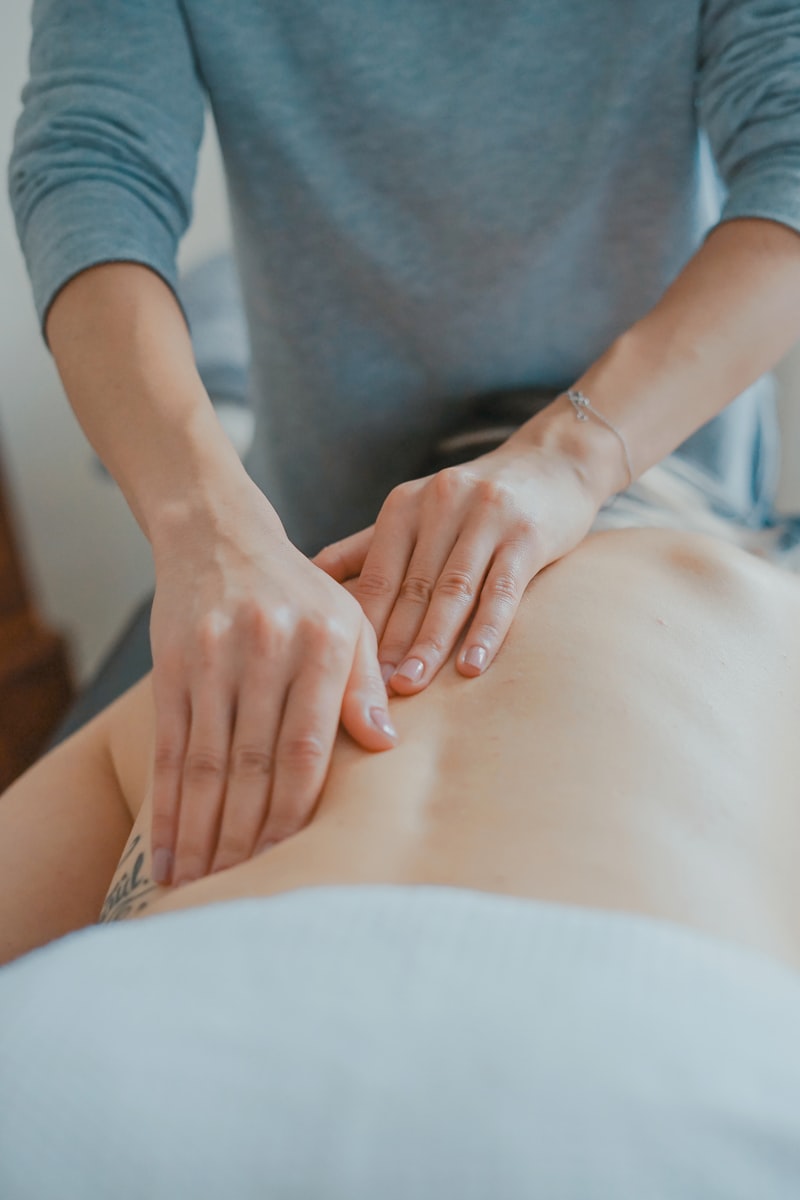
How to use it: Press firmly on the PC6 point with your thumb for 30-60 seconds on each wrist. Breathe deeply while applying steady pressure. Repeat 2-3 times daily, or whenever you feel anxious.
Technique 2: The Shenmen Point (HT7) for Racing Thoughts
Another powerful emotional regulation point is Shenmen (Heart 7), located on the wrist crease in line with the little finger. In TCM theory, Shenmen translates to "Spirit Gate" and is used to calm the shen (spirit/mind), making it especially effective for insomnia caused by overthinking and worry.
Research from the Beijing University of Chinese Medicine (2024) demonstrated that HT7 acupressure combined with auricular acupressure reduced insomnia severity index scores by 56% over 4 weeks in a study of 200 participants. Beyond sleep, participants reported significant improvements in emotional regulation and a 41% reduction in daily stress levels.
Technique 3: Taichong (LV3) — Releasing Stored Anger and Frustration
The Taichong point (Liver 3), located on the top of the foot between the first and second toes, is the primary point for clearing liver qi stagnation — the TCM pattern most commonly associated with irritability, frustration, and suppressed anger. Modern research suggests this point influences the hypothalamic-pituitary-adrenal (HPA) axis, our central stress response system.
A 2023 study in Evidence-Based Complementary and Alternative Medicine found that LV3 acupressure reduced salivary cortisol levels by 29% within 30 minutes of treatment. The study involved 85 healthy adults exposed to a standardized stress test, with the LV3 group showing significantly faster recovery than the placebo group.
Real Case: David's Journey from Burnout to Balance
David Thompson, a 42-year-old software engineer from Seattle, had reached a breaking point. "I was working 14-hour days, constantly irritable, snapping at my family. My doctor said I had 'burnout' and offered medication, but I wanted to try something different first."
On the recommendation of his Chinese-American wife, David visited a licensed acupuncturist who taught him the three acupressure points — PC6, HT7, and LV3 — for daily self-care. "The first week, I noticed I was sleeping better. By week three, my wife said I was like a different person. I still have stressful days, but now I have tools that work within minutes, not weeks. No side effects, no prescriptions. It's been eight months and I haven't needed the medication."
David's experience is not unique. A 2024 survey by the American Society of Acupuncturists found that 73% of patients seeking TCM for emotional concerns reported meaningful improvement within 4-6 sessions, with acupressure self-care extending the benefits between visits.
Technique 4: Qigong Breathing — Moving Energy Through the Body
Qigong, the practice of coordinating slow movements with breath and mental focus, is one of China's most profound contributions to stress management. The simplest form — "Abdominal Breathing Qigong" — requires no training and can be done anywhere. The technique involves slow, deep diaphragmatic breathing while visualizing energy flowing downward to the dantian (the body's energy center, located below the navel).
A landmark 2023 meta-analysis published in JAMA Psychiatry reviewed 28 randomized clinical trials involving 3,147 participants. The analysis found that qigong practice was associated with a significant reduction in depression symptoms (standardized mean difference of -0.68, considered a moderate-to-large effect size) and anxiety (SMD of -0.72). Notably, the benefits were comparable to those observed in studies of cognitive behavioral therapy — the standard first-line psychological treatment in the West.
Dr. Albert Yeung, a psychiatrist at Massachusetts General Hospital and Harvard Medical School, has been studying qigong for mental health for over a decade. "What excites me about qigong is that it combines physical movement, breath regulation, and meditative focus — three components that individually have strong evidence for mental health. Together, the effect appears synergistic."
Technique 5: Herbal Teas for Emotional Regulation
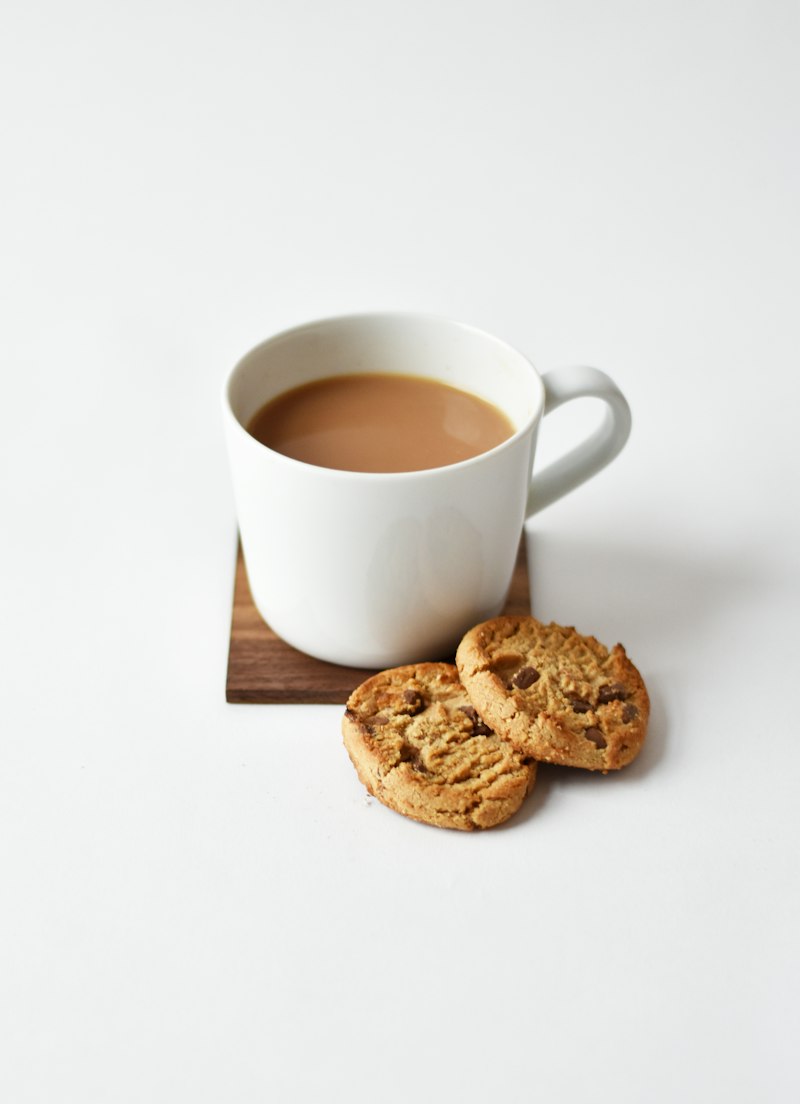
Chinese herbal medicine offers several gentle, daily-use options for emotional balance. Rose bud tea (mei gui hua cha) is traditionally used to move liver qi and lift the spirits — making it ideal for those who feel irritable or emotionally stuck. Jujube seed tea (suan zao ren cha) calms the heart spirit and is traditionally used for anxiety-related insomnia. Chrysanthemum and goji berry tea clears liver heat associated with anger and frustration.
A 2024 pharmacological study in the Journal of Ethnopharmacology found that compounds in rose petals (specifically, geraniol and citronellol) demonstrated anxiolytic effects comparable to low-dose diazepam in animal models, but without sedation or dependence. Meanwhile, jujube seed extract has been shown in multiple studies to modulate GABA receptors — the same pathway targeted by benzodiazepine medications.
Putting It All Together: A Daily Practice
The Chinese approach to emotional wellness is not about occasional heroic interventions but consistent daily practice. Here is a simple routine you can adopt from anywhere in the world:
- Morning (3 minutes): Abdominal breathing qigong — 10 slow, deep breaths with hands on your lower abdomen
- Midday (1 minute): PC6 acupressure on both wrists during a work break
- Afternoon tea (5 minutes): Rose bud or chrysanthemum tea, sipped mindfully without screens
- Evening (2 minutes): HT7 acupressure to transition from the day's activity to rest
- Weekly: If anger or frustration has built up, focus extra time on LV3 acupressure and liver-supporting foods
What the Data Says About TCM for Mental Health Globally
The World Health Organization's 2022 Traditional Medicine Strategy report noted that 88% of WHO member states now recognize the use of traditional and complementary medicine, including TCM, for mental health. In China, a national survey of 22,000 patients found that 61% had used TCM for emotional or psychological concerns at some point, with 82% reporting satisfaction with the results.
Perhaps most telling: a 2024 cost-effectiveness analysis in BMJ Open compared TCM-integrated care for anxiety and depression against standard Western treatment alone. The TCM-integrated group had 23% lower healthcare costs over 12 months and 31% fewer sick days, while achieving equivalent clinical outcomes.
The ancient Chinese understood something fundamental: emotions are not separate from the body. As modern science catches up, these time-tested techniques offer accessible, evidence-backed tools for anyone seeking greater emotional balance — no prescription required.
Comments (0)
Comments loading... (Connect Disqus or Giscus to enable)